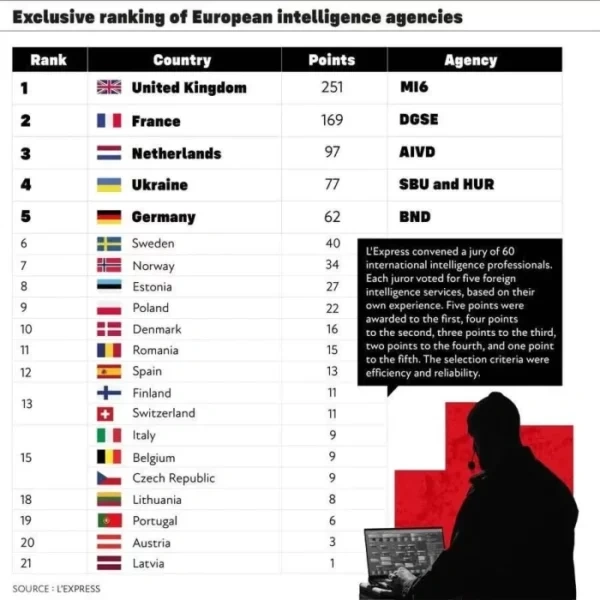
De Oekraïners zien een duidelijke RT draaiboek.
Je ziet in een land wat de marginale onderwerpen zijn die niet in de mainstream media besproken wordt. In de VK begon Brexit als een marginale onderwerp en RT was de eerste die een platform voor de Brexiteers gaf. In Zweden was een taboe doorbroken toen ze de overlast door migranten in de steden op TV toonden.
Op deze manier zet RT zich in de markt als een "bron" voor ander nieuws, geluid,... dat je niet in de mainstream media ziet/hoort. Het is een bekende truc om aan single digit % waarheid meer dan 90% propaganda, russische talking points, zwartmakerij,... toe te voegen.
Wie kan de verleiding weerstaan?
Als je nergens een platform krijgt en plotseling biedt RT het aan jou aan. Je denkt toch niet aan het risico van je land verraden? Wel in de ongelimiteerde mogelijkheden van politiek succes, eventjes de shortposities op het pond sterling naar honderden miljoen winst te sturen,...
12 jaren geleden in The Guardian:
Nigel Farage's near monthly appearances on state-owned Russia Today have come under scrutiny after his expression of admiration for Vladimir Putin this week.
In one of his 17 appearances on the channel seen by the Guardian and transmitted since December 2010, he claims Europe is governed not by elected democracies but instead "by the worst people we have seen in Europe since 1945".
The Ukip leader has appeared so frequently that he is cited in literature for the TV station Russia Today as one of their special and "endlessly quotable" British guests. "He has been known far longer to the RT audience than most of the British electorate," Russia Today claims.
https://www.theguardian.c...ip-russian-media-scrutiny
Farage's relationship with Russia has been under the spotlight since his comments last week on Ukraine. In a TV debate with Nick Clegg (pictured above) he said Russia had been provoked and that the EU had blood on its hands for trying to force Ukraine to choose between itself and Russia. The Lib Dem leader is expected to challenge Farage further on the subject in a second debate, this time for the BBC, on Wednesday.
Chris Bryant, the former Labour Europe minister, said: "One of the most stupid adages for politicians to believe is my enemy's enemy is my friend. Putin closes down the free press, jails journalists with impunity and has enriched himself beyond the dreams of Imelda Marcos and has territorial ambitions. Farage is rapidly becoming the Berlusconi of Britain."
Russia Today was set up in 2005 by the Russian government as a 24-hour news programme and has been accused of being a propaganda tool of Putin. Earlier this year one anchor, Liz Wahl, quit on air, saying the channel always wanted extremist voices hostile to the west.
In many of his lengthy interviews Farage predicted the breakup of Europe, adding that EU leaders "are not undemocratic. They are anti-democratic. These are very bad and dangerous people They are the worst people we have seen in Europe since 1945". In another interview he claimed "they are the most dangerous people in Europe for 70 years".
RT zoekt naar extremistische geluiden die vijandelijk tegenover het Westen zijn. Het Westen bestaat niet meer als er enorme verdeeldheid gezaaid wordt en het wordt ieder voor zich.
In Bloomberg is de pump and dump uitgelegd. Farage stuurt het nieuws uit dat leave verloren heeft en de pond sterling spoot omhoog.
Just four minutes after the polls had closed, and with meaningful vote counts still more than two hours away, Sky had aired a concession from the world’s most prominent Brexit backer, buttressed by data from YouGov. In a few hours these “scoops” would prove spectacularly wrong, but in the meantime they spawned worldwide headlines, including from Bloomberg News and virtually everyone else. This one, which ran atop the U.K.’s leading news site, the Mail Online, was typical. Referring to Farage's UK Independence Party, it read:
BREAKING NEWS: UKIP leader Nigel Farage sensationally concedes DEFEAT within seconds of voting closing as final poll gives Remain the edge 52% – 48% in historic EU referendum
The news pushed the U.K.’s currency up—herding investors toward a cliff hours ahead of one of the largest crashes for any major currency since the birth of the modern global financial system. Trillions of dollars in asset values would be wiped off the books, but not just yet.
At 10:52 p.m., the pound rose above $1.50 and reached its highest mark in six months. A few minutes later, Ed Conway, the Sky News economics editor, appeared before a giant screen showing the spike. The pound had been tracking polls for months, Conway explained. Whether they were on couches in London or at trading desks in Chicago, people watching Sky or reading headlines sparked by its coverage had every reason to think Remain would prevail. But not quite everyone.
https://www.bloomberg.com...edge-funds-beat-the-crash
Pumpen richting 1 van de grootste crashes van een munt in moderne tijden.
Op de beurs zijn er hedgefondsen die via private polling aan betere informatie willen geraken om de risico's zoveel mogelijk uit de trades te halen.
Behind the scenes, a small group of people had a secret—and billions of dollars were at stake. Hedge funds aiming to win big from trades that day had hired YouGov and at least five other polling companies, including Farage's favorite pollster. Their services, on the day and in the days leading up to the vote, varied, but pollsters sold hedge funds critical, advance information, including data that would have been illegal for them to give the public. Some hedge funds gained confidence, through private exit polls, that most Britons had voted to leave the EU, or that the vote was far closer than the public believed—knowledge pollsters provided while voting was still underway and hours ahead of official tallies. These hedge funds were in the perfect position to earn fortunes by short selling the British pound. Others learned the likely outcome of public, potentially market-moving polls before they were published, offering surefire trades.
Hedge fund managers, of course, try to beat the market by getting the best information they can. For exit polling data, that’s a tricky business. Pollsters have always sold surveys to private clients, but U.K. law restricts them from releasing exit-poll data before voting ends. While some of the practices discovered by Bloomberg fall into a gray area, the law is clear: It would have been a violation if, prior to the polls closing, “any section of the public” had gotten the same data the pollsters sold privately to hedge funds.
Farage had 2 keren zijn verlies aangekondigd terwijl hij informatie had dat zijn overwinning suggereerde. Hij was een broker op de metaalbeurs in Londen en heeft ook voor een bedrijf in de valutahandel gewerkt. Hij beseft heel goed wat de natste droom van een trader op de beurs kan zijn.
One person with questions still to answer is Farage, a former commodities broker who also went to work for a London currency trading company after he moved into politics. He twice told the world on election night that Leave had likely lost, when he had information suggesting his side had actually won. He also has changed his story about who told him what regarding that very valuable piece of information.
Bloomberg’s account is based in part on interviews over seven months with more than 30 knowledgeable current and former polling-company executives, consultants and traders, nearly all of whom spoke only on the condition they not be named because of confidentiality agreements. Pollsters said they believed Brexit yielded one of the most profitable single days in the history of their industry. Some hedge funds that hired them cleared in the hundreds of millions of dollars, while their industry on the whole was battered by the chaos Brexit wrought in global financial markets. Although confidentiality agreements have made it difficult to discover the identities of many of the hedge funds that bought exclusive or syndicated exit polls, at least a dozen were involved, and potentially many more, Bloomberg found.
Het was 1 van de best verdiende dagen voor de pollsters, want de hedgefondsen kochten informatie waarmee beslissingen over honderden miljoenen dollar gemaakt werden.
Wat een factor was, is dat opiniepeilingen invloed op het stemgedrag heeft. De mensen kijken naar waar de kudde gaat.
Opinion polls published in the British press during the critical final days of the campaign helped voters make up their minds—about both whether to take part in the referendum and which side they were on. But the relationships between polling firms and hedge funds in the lead-up to the vote, and on the day, created an inherent conflict. With one hand, pollsters fed the public information that affected the outcome and moved the markets. With the other, they sold data privately to clients betting on market moves created by their public-facing polls.
Ze verkopen private polls aan de partijen die traden op de marktbewegingen veroorzaakt door de publieke polls die de kudde beïnvloeden.
Dat er hedgefondsen zijn die met speculatie en derivaten meer dan 100 miljoen dollar in een dag verdienen, kan gebeuren.
Rokos, which had worked with ICM and Curtice, ended up making more than $100 million, or 3 percent of its entire value, in a single day, according to the results Bloomberg first reported in the wake of the vote. Brevan Howard, which at a minimum bought exit-polling data from ComRes, made $160 million on June 24 alone. Brevan Howard declined to comment.
While the identity of YouGov’s Operation Pomegranate hedge fund client remains unclear, knowledgeable sources identified two clients for its pre-election polling. They are Capstone Investment Advisors and Odey Asset Management. Capstone, then managing more than $5.2 billion, made about 1.7 percent of the value of its biggest fund off its Brexit trades, Bloomberg reported after the vote, citing a knowledgeable source. Some of that was specifically attributed to bets placed on price swings leading up to the referendum. Capstone declined to comment for this article. Odey’s eponymous founder is Crispin Odey, who was both a top fundraiser for Farage and a leading contributor of campaign cash to the pro-Brexit side. His firm made about $300 million from Brexit. “There’s that Italian expression,” Odey boasted to the BBC of his Brexit bounty: “‘Al mattino ha l'oro in bocca’—the morning has gold in its mouth.”
Dat de beste Farage fondsenwerver en grootste Brexit sponsor met zijn bedrijf 300 miljoen dollar aan de Brexit verdient, is geen toeval.
Doet mij denken aan de Amerikaanse handelaren die zeiden dat het geen zin heeft om op de stemmingen voor de
Infrastructure Bill te wachten. De rijken die de lobbyisten betalen om de politici te pushen, hebben niet alleen informatievoordeel. Ze bepalen hoe hard dat ze willen pushen om het doorgedrukt te krijgen. Daar kan je niet tegenop traden.
[
Voor 72% gewijzigd door
rapture op 17-10-2026 19:44
]


 Echter ben ik vrees ik al zover verpest dat ik weinig vertrouwen heb in mijn medeburgers, vooral als het om politiek lastige beslissingen gaat. Dat betekent ook dat ik nog even geen oplossing zie.