/u/1202750/crop62c5d57daeca1_cropped.png?f=community)
7- 8 maanden energetisch off grid leven - zelfs met laden van een EV - lijkt me nu niet de grootste uitdaging (met een dak vol PV).
De echte uitdaging zit doorgaans in de maanden december en januari.
SWW verwarm ik sowieso niet elke dag (geen legionellarisico indien je dat SWW dagelijks gebruikt en een keer per week boven de 60°C brengt).
Dat je kans loopt dat je thuisaccu en accu van je auto leeg is bij een onverwachte gebeurtenis bepaal je zelf. Ik hou beiden steeds gevuld. In de winter de thuisaccu op een min. SoC van 50% (bij dunkelflaute op 70-80%) en de EV bij thuiskomst altijd naar de 100%.
De EV kan hier (via de standaard V2L functie waar hij o.a. op werd uitgekozen) functioneren als generator (de omvormers van de thuisaccu zijn daar ook standaard op voorzien en op uitgekozen) en als ultieme back up kan je beter een houtkachel voorzien. Hier kozen we voor een massa speksteenkachel waar je na 2 uur stoken 75 kWh warmte in kan opslaan zodat de woning 24 tot 48 uur op 20°C kan verwarmd blijven, ook tijdens afwezigheid bewoners.
Tijdens opbouw de achterwand voorzien van handmatig gebouwde warmtewisselaar zodat ook het SWW (via een automatisch aangestuurde circulatiepomp tussen warmtewisselaar en SWW vat van 300 l) altijd op temperatuur blijft (min. 45°C en kan via COP1 weerstand en/of WP verder opgewarmd worden indien nodig tot 90°C).
Inderdaad je moet je ook op andere zaken voorbereiden.
Fruit, groenten, vis en hout verbouwen we zelf.
Overschotten worden ingemaakt/ingevroren/verwerkt zodat er altijd een voorraad voor de winter beschikbaar is.
Water (drinkwater in de 300 liter boiler, oppervlaktewaters, regenwater, grondboring) in overvloed. Uiteraard ook apparatuur om desnoods drinkwater te desinfecteren.
Op "gevaren" kan je je tijdig leren voorbereiden.
Maar zet het idd uit je hoofd dat bij "het onvoorziene" iedereen het even comfortabel zal redden en dat je je op alles kan voorzien. Dat is in het normale leven met alle beschikbare voorzieningen al niet het geval.
Maar net dat (klein) stapje voor op wie niet/minder voorbereid is kan soms het verschil al maken.
De echte uitdaging zit doorgaans in de maanden december en januari.
SWW verwarm ik sowieso niet elke dag (geen legionellarisico indien je dat SWW dagelijks gebruikt en een keer per week boven de 60°C brengt).
Dat je kans loopt dat je thuisaccu en accu van je auto leeg is bij een onverwachte gebeurtenis bepaal je zelf. Ik hou beiden steeds gevuld. In de winter de thuisaccu op een min. SoC van 50% (bij dunkelflaute op 70-80%) en de EV bij thuiskomst altijd naar de 100%.
De EV kan hier (via de standaard V2L functie waar hij o.a. op werd uitgekozen) functioneren als generator (de omvormers van de thuisaccu zijn daar ook standaard op voorzien en op uitgekozen) en als ultieme back up kan je beter een houtkachel voorzien. Hier kozen we voor een massa speksteenkachel waar je na 2 uur stoken 75 kWh warmte in kan opslaan zodat de woning 24 tot 48 uur op 20°C kan verwarmd blijven, ook tijdens afwezigheid bewoners.
Tijdens opbouw de achterwand voorzien van handmatig gebouwde warmtewisselaar zodat ook het SWW (via een automatisch aangestuurde circulatiepomp tussen warmtewisselaar en SWW vat van 300 l) altijd op temperatuur blijft (min. 45°C en kan via COP1 weerstand en/of WP verder opgewarmd worden indien nodig tot 90°C).
Inderdaad je moet je ook op andere zaken voorbereiden.
Fruit, groenten, vis en hout verbouwen we zelf.
Overschotten worden ingemaakt/ingevroren/verwerkt zodat er altijd een voorraad voor de winter beschikbaar is.
Water (drinkwater in de 300 liter boiler, oppervlaktewaters, regenwater, grondboring) in overvloed. Uiteraard ook apparatuur om desnoods drinkwater te desinfecteren.
Op "gevaren" kan je je tijdig leren voorbereiden.
Maar zet het idd uit je hoofd dat bij "het onvoorziene" iedereen het even comfortabel zal redden en dat je je op alles kan voorzien. Dat is in het normale leven met alle beschikbare voorzieningen al niet het geval.
Maar net dat (klein) stapje voor op wie niet/minder voorbereid is kan soms het verschil al maken.
[ Voor 4% gewijzigd door IvoB2 op 12-10-2026 14:11 ]
Wonend in Vlaanderen (BE)
:strip_icc():strip_exif()/u/706794/crop565a5a17006ee_cropped.jpeg?f=community)


:no_upscale():strip_icc():strip_exif()/f/image/IakjSihYludJRGUZvLFtxAPe.jpg?f=user_large)
:strip_icc():strip_exif()/u/1558544/crop614c882db9e1f_cropped.jpg?f=community)
:strip_exif()/u/103688/crop5bbba41ee6a9e.gif?f=community)
:no_upscale():strip_icc():strip_exif()/f/image/WmjOB6UW6Zr2199CmxwiXut6.jpg?f=user_large)
:strip_icc():strip_exif()/u/1876732/crop6a32cd06e6511_cropped.jpg?f=community)
:no_upscale():strip_icc():strip_exif()/f/image/aG9SkGF1L4U1gxFjQYK6etlU.jpg?f=user_large)
:no_upscale():strip_icc():strip_exif()/f/image/Wpgql0SfezrVx4a0qCy3fMui.jpg?f=user_large)
:strip_exif()/u/3157/sail4L_S70.gif?f=community)

/u/17901/glenfiddich.PNG?f=community)
:strip_icc():strip_exif()/u/284568/crop5f8d3fa8c696a_cropped.jpeg?f=community)
:strip_icc():strip_exif()/u/1989666/crop687a053049e10_cropped.jpg?f=community)
:no_upscale():strip_icc():strip_exif()/f/image/QPrTx2m7U0L8OzjSSwusDAvp.jpg?f=user_large)
:no_upscale():strip_icc():strip_exif()/f/image/X3fwvMU53xAblI1fgNw4no0S.jpg?f=user_large)
 (Als je nog ergens water vandaan haalt.)

/u/1029591/crop5f61bc9569f31_cropped.png?f=community)

 . De periode dat ik daadwerkelijk te veel energie over heb dan dat er in de auto past is slechts 2-3 maandjes per jaar. Toen stond SWW inderdaad veel hoger.
/u/25784/ResNot.GIF?f=community)
:no_upscale():strip_icc():strip_exif()/f/image/7wbigJgSgDP5OwtQv6MezbR5.jpg?f=user_large)
/u/142011/crop65b383c6c6c2f_cropped.png?f=community)

/u/405466/crop63a610bcef608_cropped.png?f=community)
/u/44155/marzman.png?f=community)
:strip_icc():strip_exif()/u/205476/620201481642.jpg?f=community)
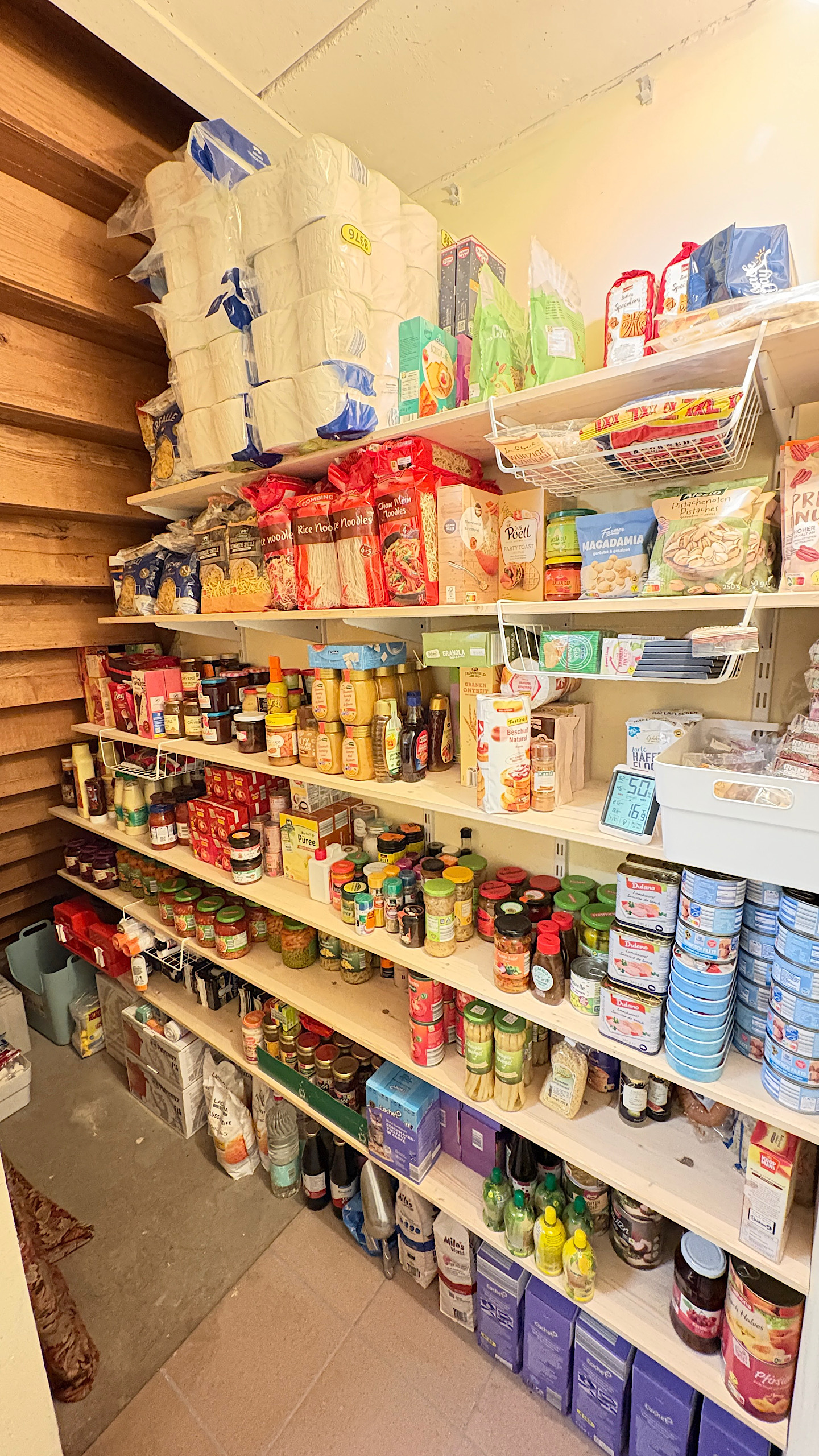
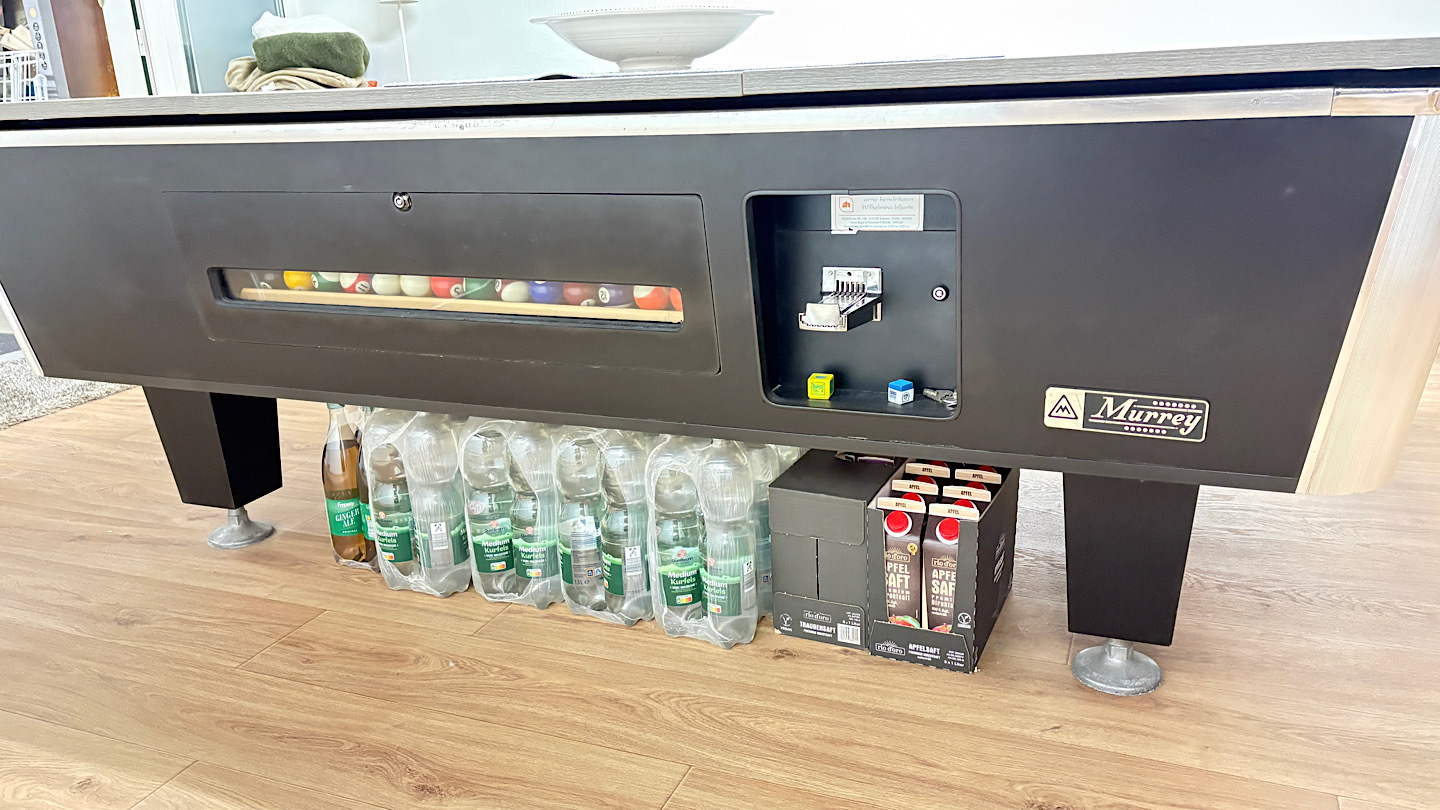
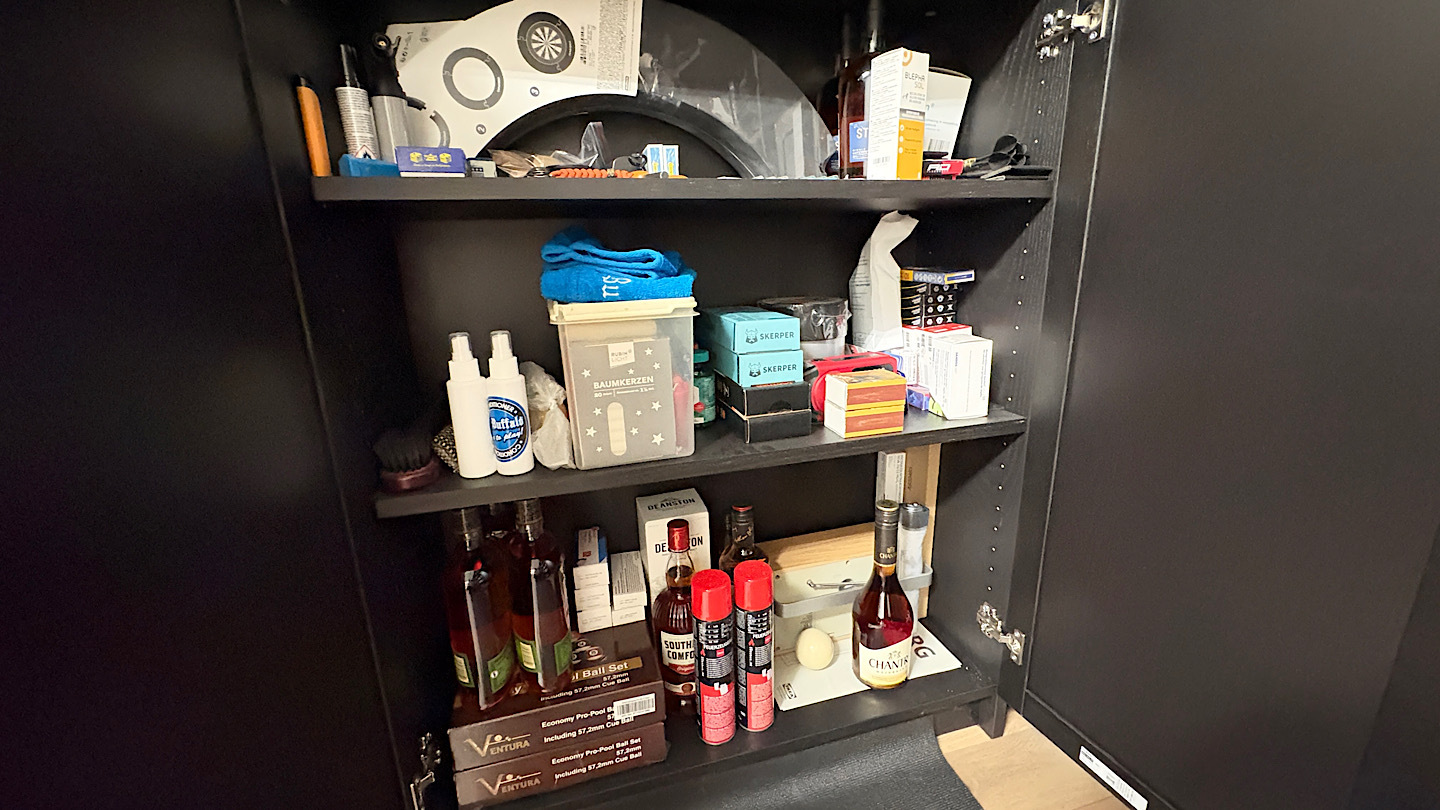
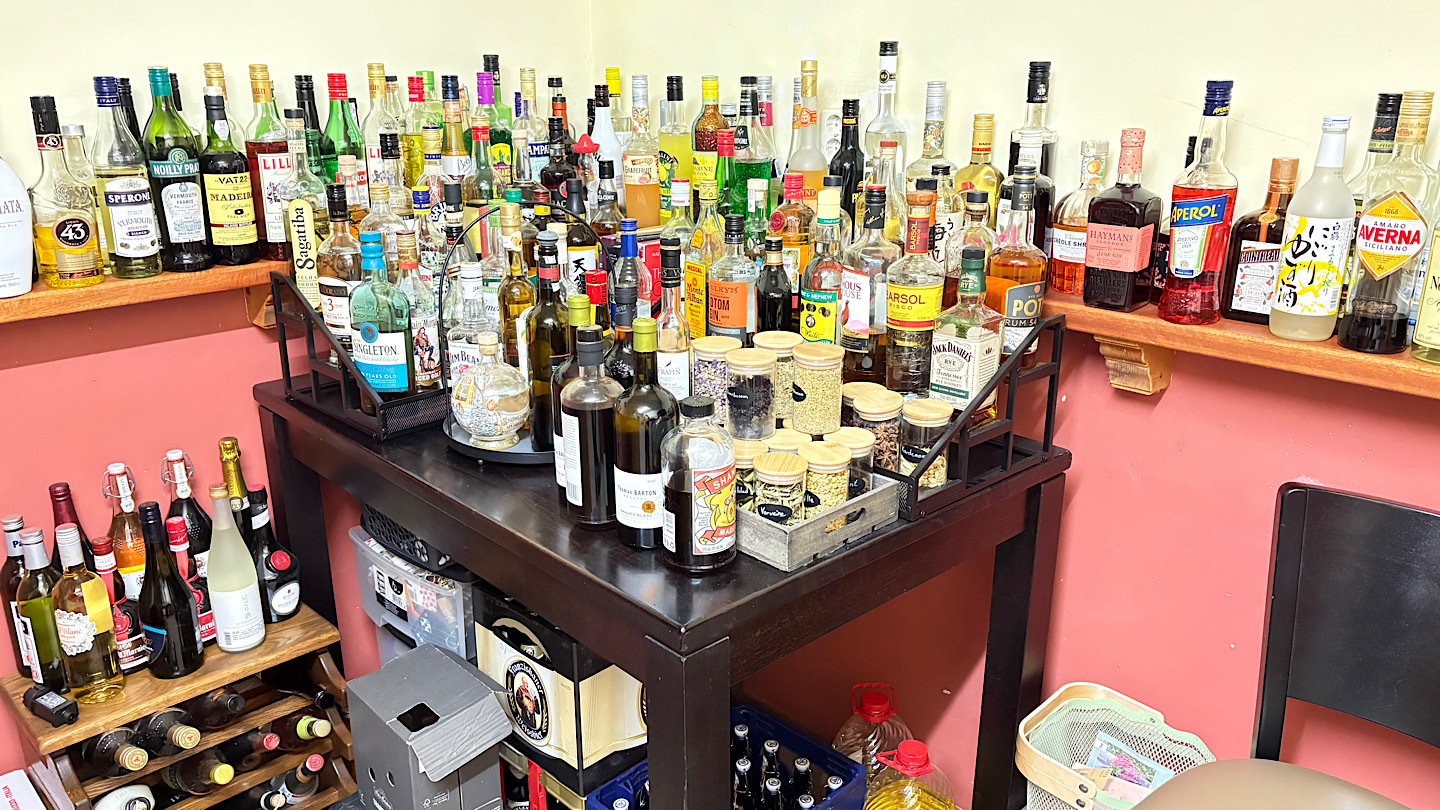
:no_upscale():strip_icc():strip_exif()/f/image/Txqgtr7cQFDrkHjVJ1Hi7atK.jpg?f=user_large)
:no_upscale():strip_icc():strip_exif()/f/image/yRuEve9UVlT3zIlbJEugw5GE.jpg?f=user_large)
:no_upscale():strip_icc():strip_exif()/f/image/By4L4jbXUGBKUua1g75n1Tlb.jpg?f=user_large)
:strip_exif()/u/87698/avatarline.gif?f=community)

:strip_exif()/u/481554/crop5a9ffcc5430b3_cropped.gif?f=community)

:strip_exif()/u/45096/Jumpman.gif?f=community)
:strip_exif()/u/150512/Wankel.gif?f=community)